
Reclaimed Land Uses
Restored land can be returned to productive use in a variety of ways that benefit communities and the environment.
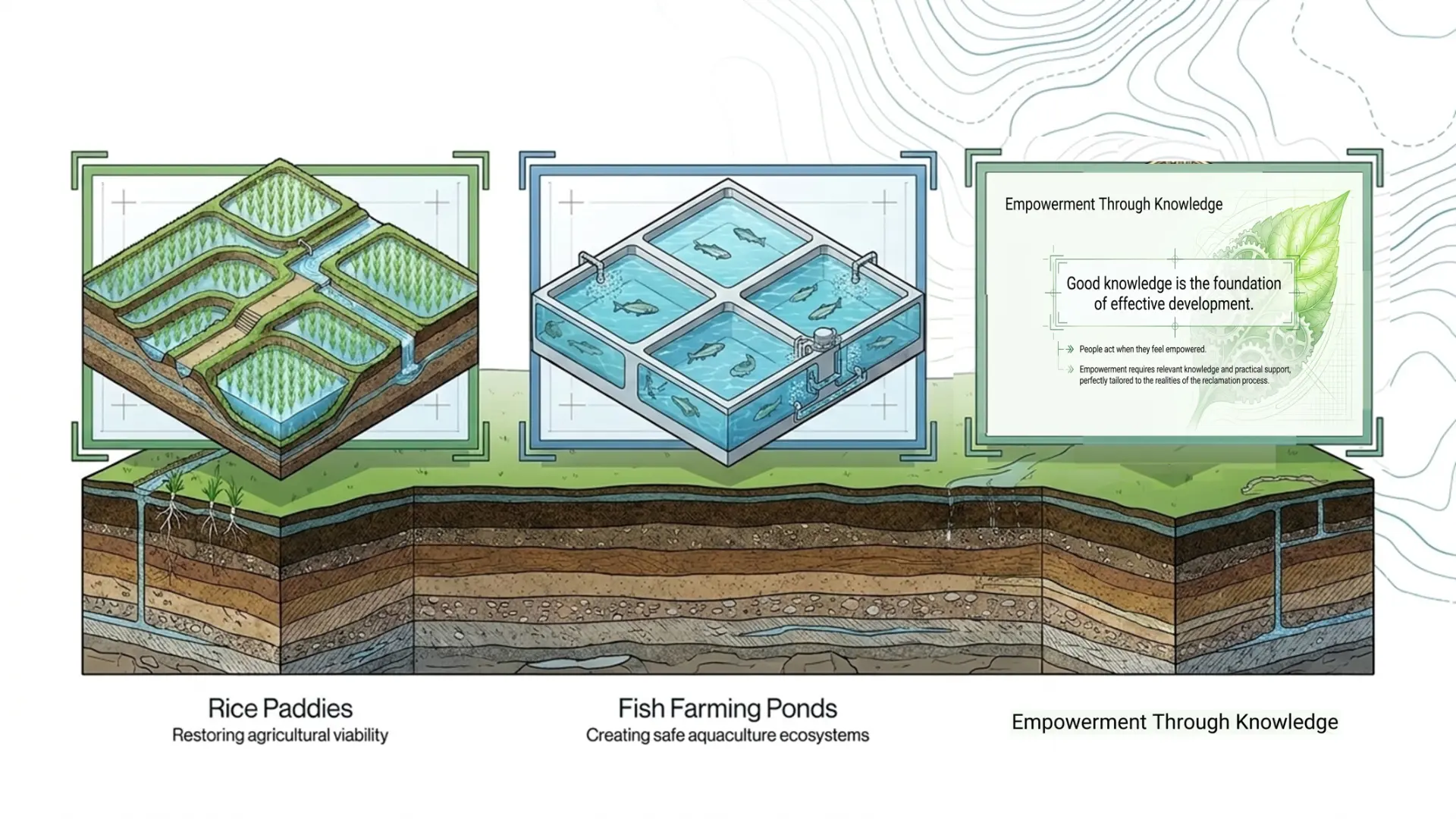
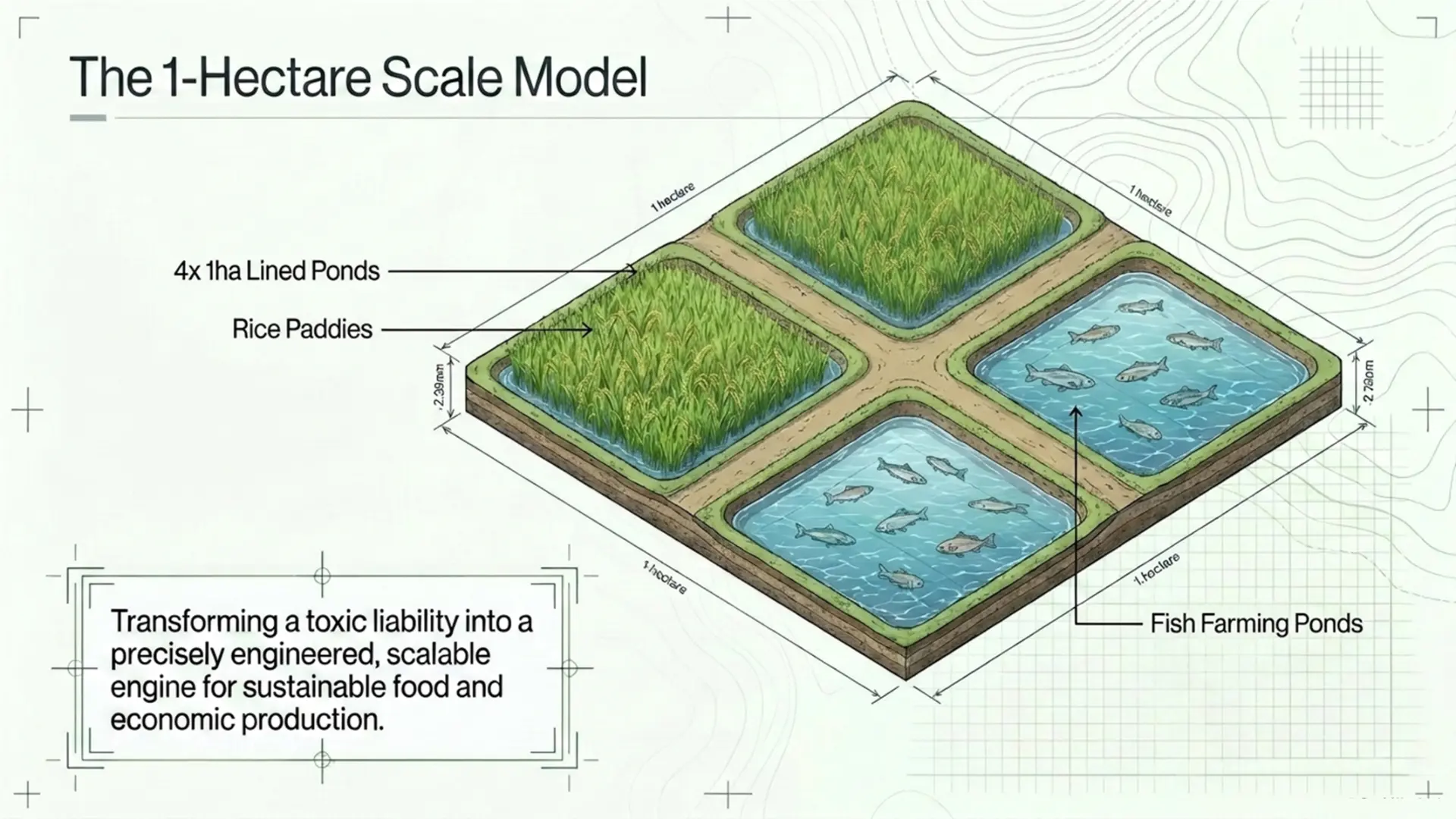
Rice paddies
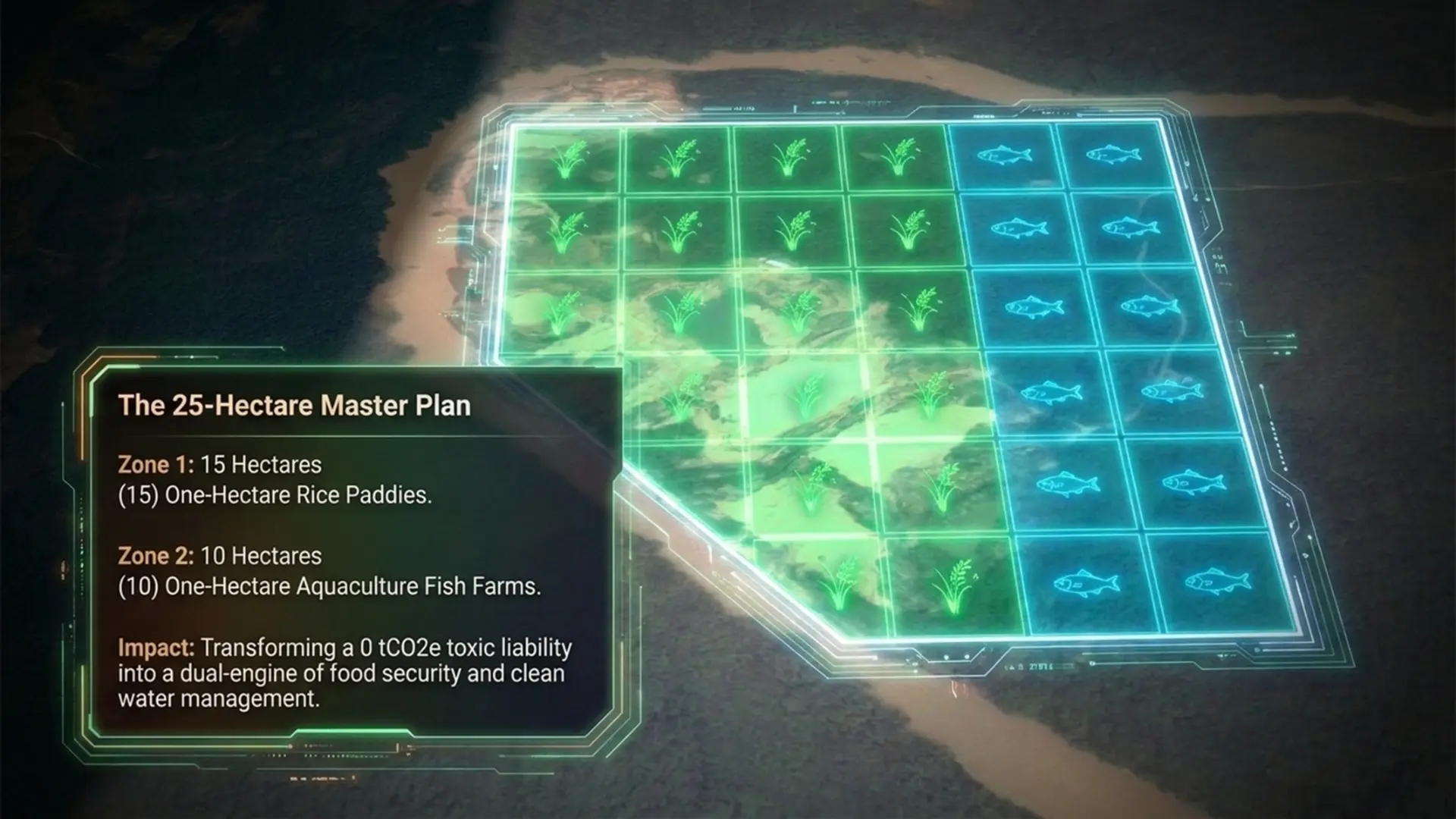
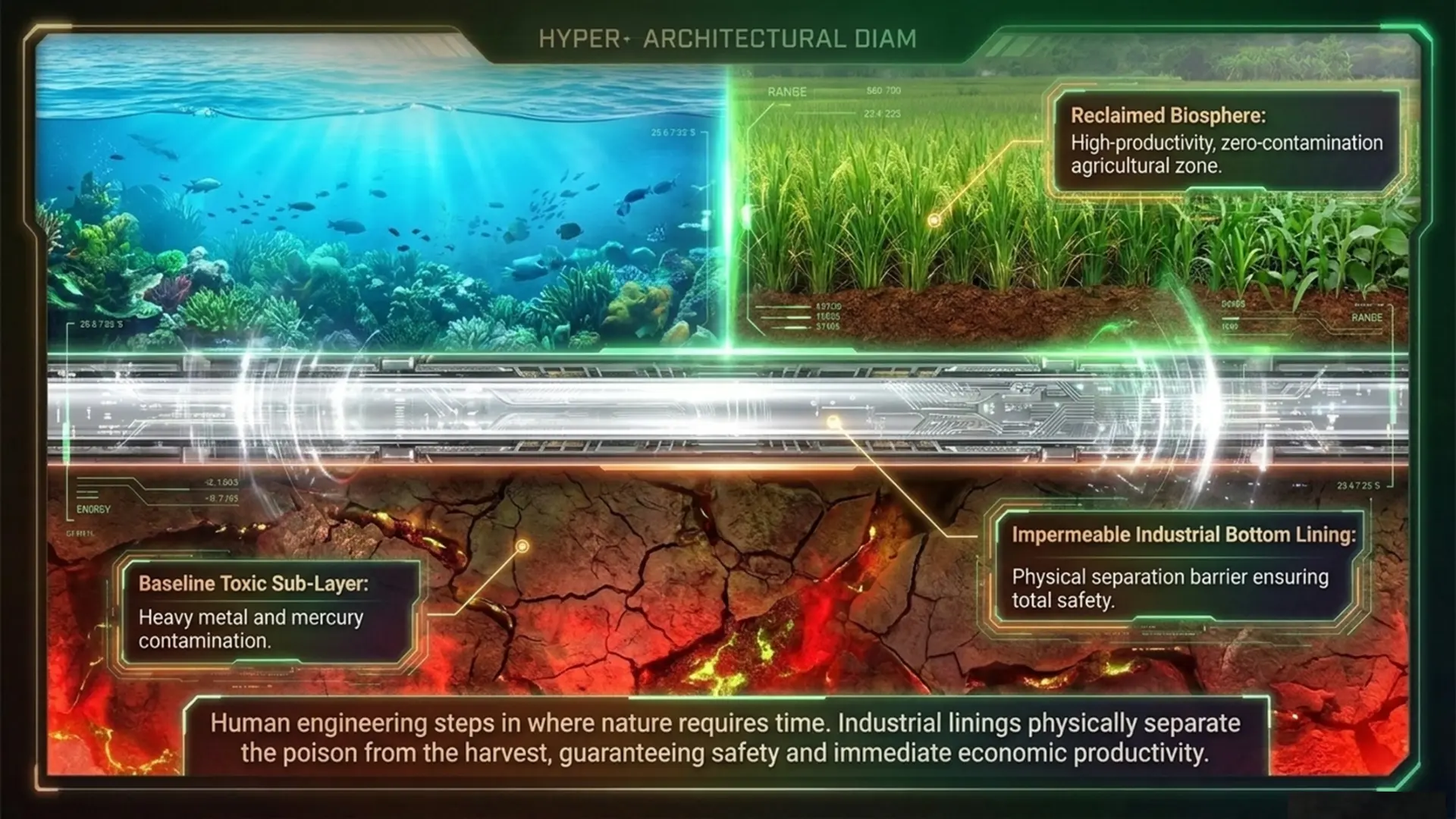
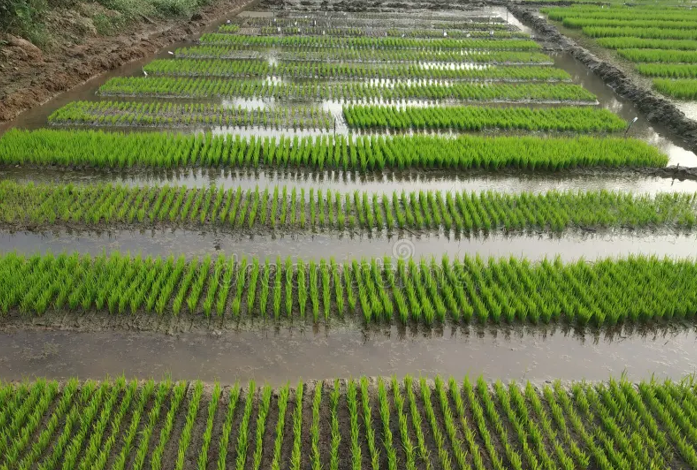
Contaminated land can be restored to support agriculture. Lined ponds and controlled water management create healthy rice paddies that provide food and livelihoods.
Our process ensures residual contaminants are reduced to safe levels, allowing crops to grow without risk to people or ecosystems.
Fish farming ponds
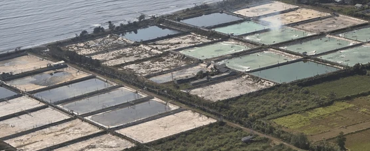
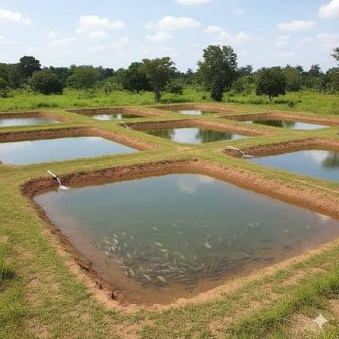
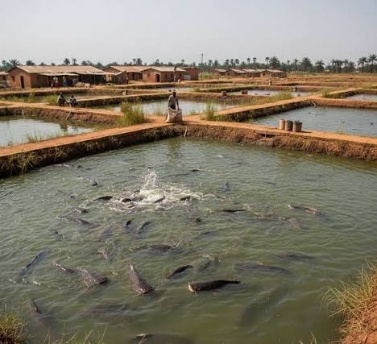
Aquaculture is a productive use for restored land. Our pond designs include proper water depth, slopes, dykes, and inlet/outlet channels to create healthy environments for fish farming.
From small ponds to larger commercial operations, we design systems that support sustainable fish production.
Construction & development
Reclaimed land can also support responsible construction and development. Our engineering designs and earthworks create stable, safe sites ready for the next phase of use.
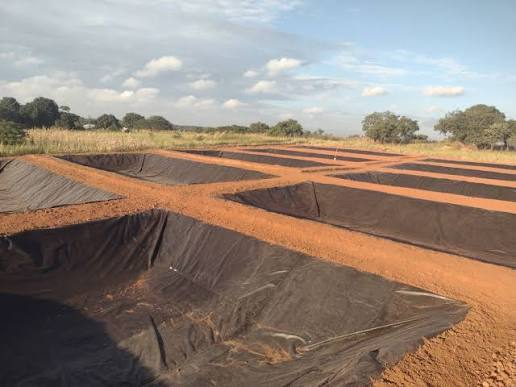
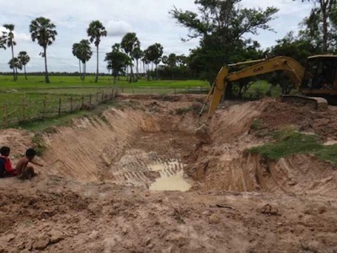
Engineering details
Our pond designs include precise dimensions, cross-sections, and water management structures to ensure long-term performance.
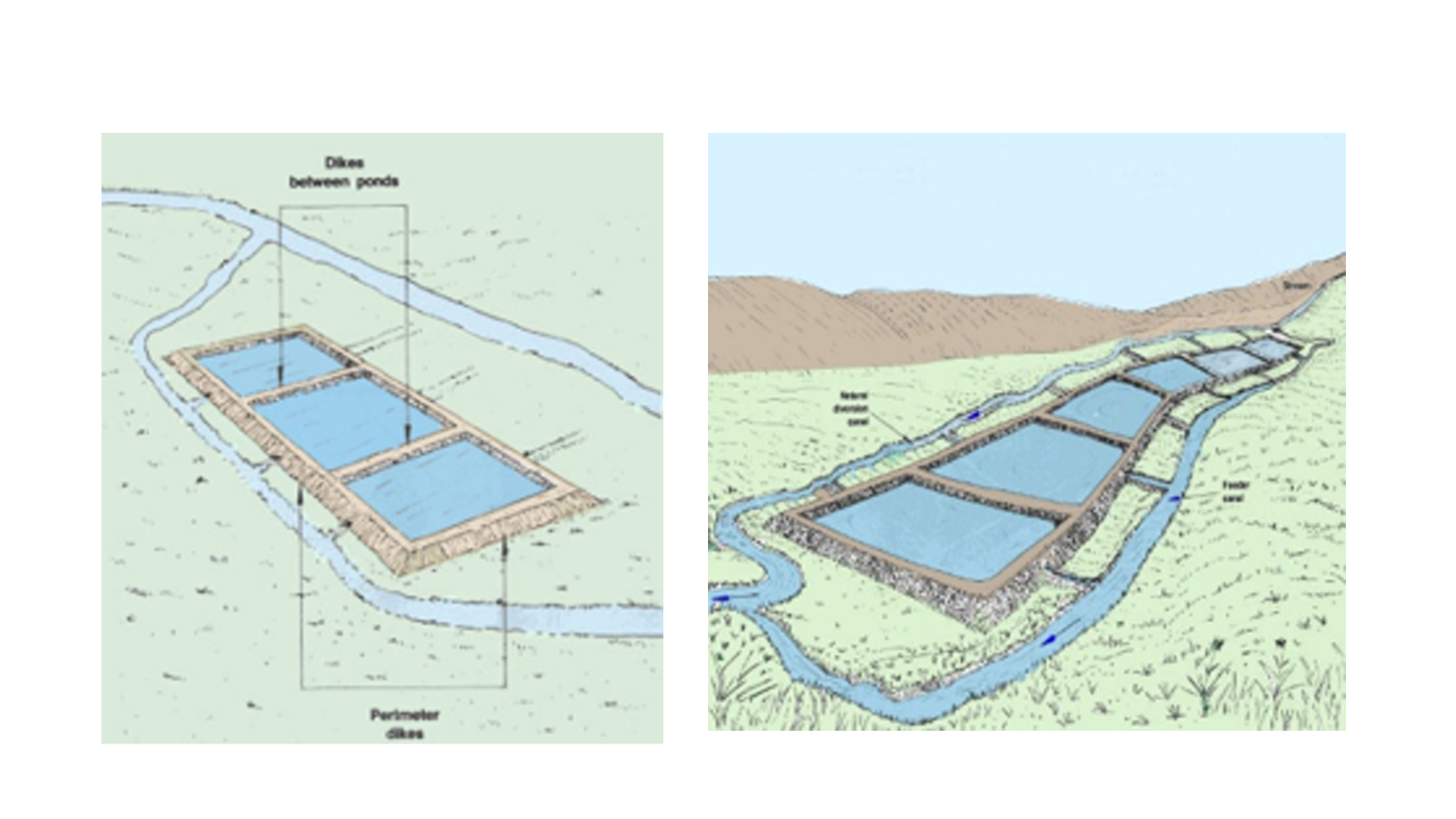
Pond layout, dikes and water supply canals
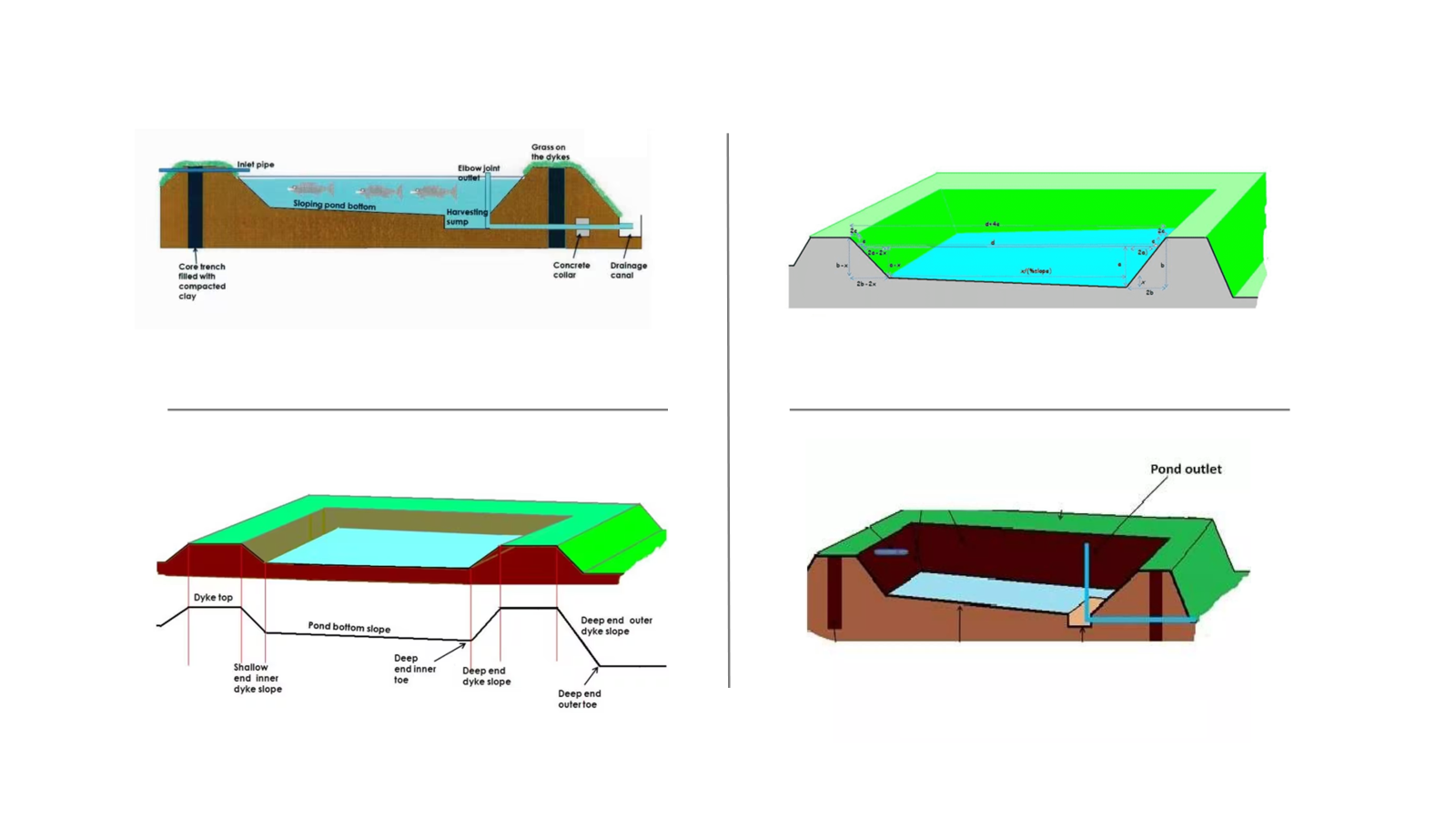
Cross sections, dyke slopes and outlet details
Work Program Details
Planning, methodology, and resourcing documents for active reclamation and access projects.
Rural Gravel Access Road
Republic of Ghana
Cut-and-fill formation with gravel wearing course: scope, standards, design criteria, construction methodology, and indicative 12–14 week schedule.
View PDFLand Restoration — Degraded Sites
Republic of Ghana
Remediation of degraded sites through soil treatment, containment, and engineered reclamation to return land to safe, productive use.
View PDFReclaimed Farming Facilities
Republic of Ghana
Conversion of restored land into productive rice paddies and aquaculture ponds, including layout, lining, water management, and operational schedules.
View PDF